Korea freezes gasoline price cap at 1,784 won a liter for four weeks
The industry ministry kept the cap unchanged, citing oil prices still far above June levels and sharply higher shipping costs despite a recent pullback.
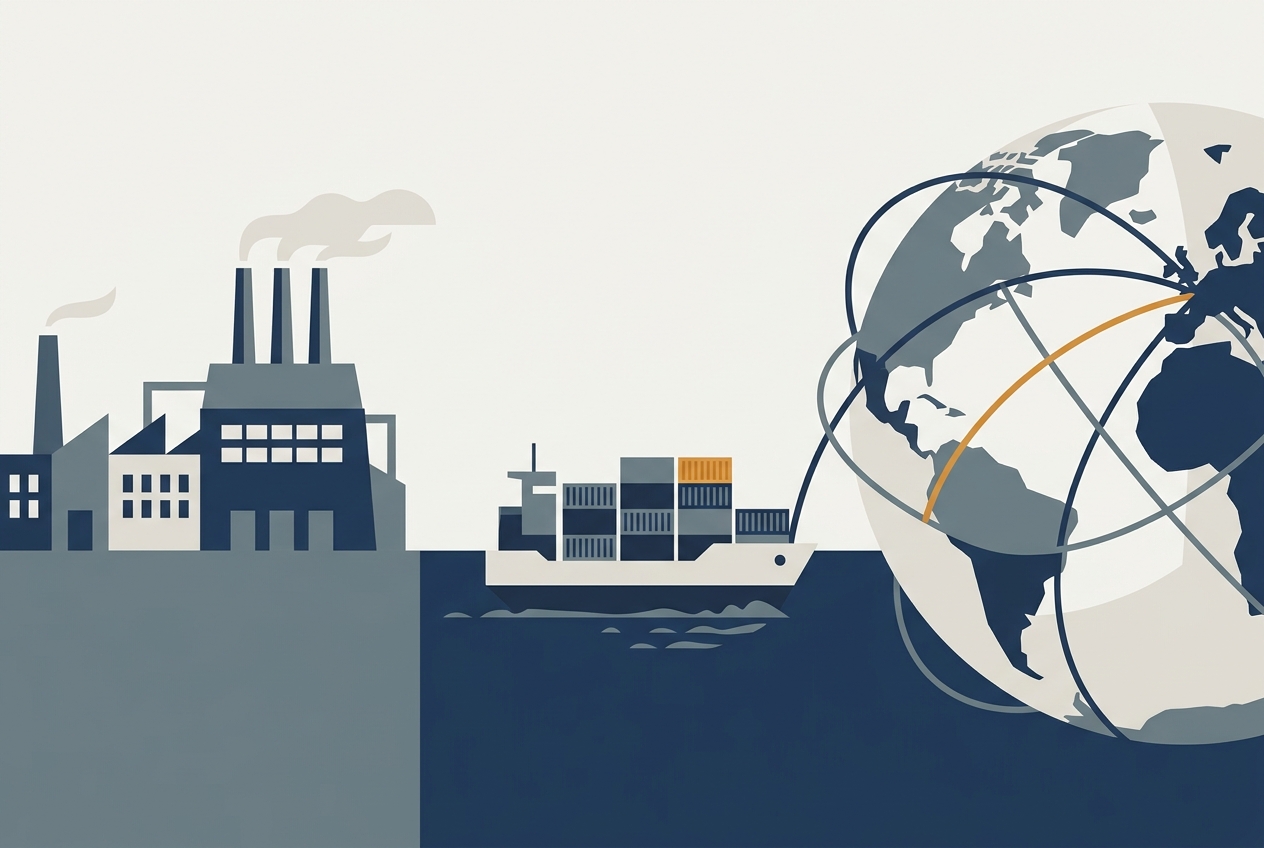
South Korea's industry ministry said Friday it will freeze the country's maximum petroleum price at the current level for another four weeks, holding gasoline at 1,784 won a liter and diesel at 1,773 won, citing international crude prices that remain well above where they stood when the cap was set.
The ceiling, which also keeps kerosene at 1,380 won a liter, takes effect at midnight on Nov. 14 and runs through the following four weeks, according to the Ministry of Trade, Industry and Energy. It is the twelfth round of the cap and repeats the levels set in the eleventh.
The government attributed the decision to price levels that have come down but not far enough, and to a jump in the cost of moving crude. Brent crude traded at $96 a barrel on Nov. 12, down from an October average of $108 but still more than $20 a barrel above late June, when the current ceiling was fixed.
Freight has risen far more sharply. The World Scale index for tankers carrying Middle Eastern crude to China stood at 1,202 on Nov. 6, up from 225 on Feb. 27 and 295 on June 26, as ships near the Strait of Hormuz continue to be attacked.
The cap sets an upper limit on the prices refiners charge for their supply, a measure introduced in the third week of March 2026 after the Middle East conflict sent crude prices soaring.
The ministry pointed to research published this week estimating the policy has held inflation down. A Nov. 12 analysis by the Korea Development Institute estimated the cap lowered the monthly rise in petroleum product prices by about 12 percentage points on average between March and October, and cut the monthly increase in consumer prices by about 0.6 percentage points over the same period.
A separate report by the Korea Institute for Industrial Economics and Trade in October found that gasoline prices in Korea rose 11.8 percent and 11.9 percent year-on-year in August and September, roughly steady, while increases widened in major overseas economies.
The ministry said it will keep running the cap to ease the burden on households and will monitor conditions at home and abroad.
What this article is based on
Every fact in this article can be checked against the primary documents below.
- Government산업통상자원부 산업 보도자료· Ministry of Trade, Industry and Energy· accessed Nov. 14, 2026
- Other제도 개요 — 무엇을 규제하나· kdi.re.kr· accessed Nov. 14, 2026
- Government동결 배경 — 국제유가 수준· korea.kr· accessed Nov. 14, 2026
© New Era Korea Daily. All rights reserved.