Korea gains first EU-accredited CBAM verifier as exporters seek to cut costs
The Korea Standards Association became the first Korean body accredited to verify carbon emissions under the EU's carbon border levy, a step Seoul says will let exporters avoid inflated default values and keep sensitive production data at home.
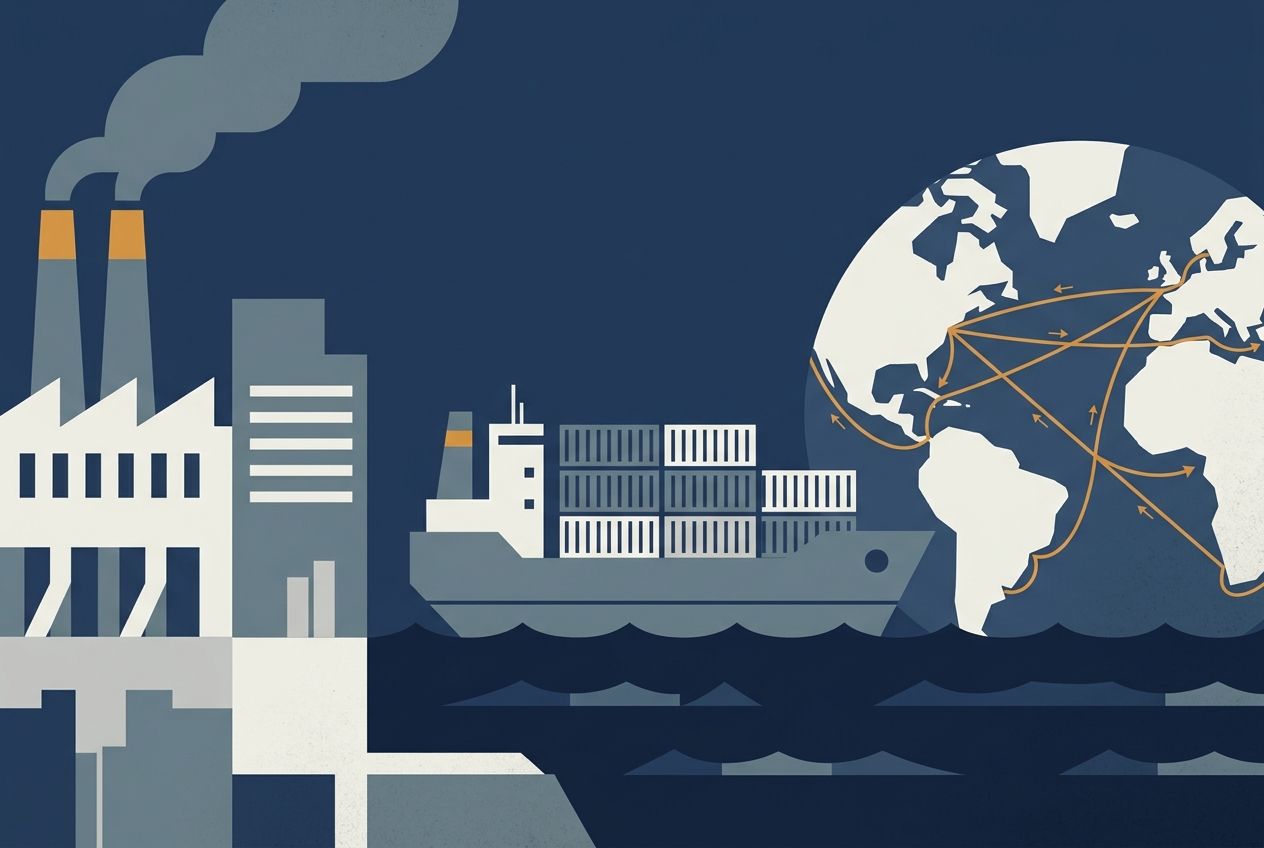
South Korea's industry ministry said Thursday that a Korean body has been accredited for the first time to verify carbon emissions under the European Union's carbon border adjustment mechanism, giving exporters a domestic route to the checks that the levy requires.
The Korea Standards Association received the accreditation from Accredia, Italy's national accreditation body, on Nov. 5, the Ministry of Trade, Industry and Energy said. It is the first such recognition of a Korean verifier by an accreditation body of an EU member state.
CBAM, which charges a fee on the carbon emitted in making carbon-intensive goods shipped to the EU, took effect in January after about two years of preparation. It currently covers six product categories: steel, aluminum, cement, fertilizer, electricity and hydrogen.
Companies exporting to the EU must have their emissions reports verified by a body accredited by a member state's national accreditation authority. Without verification, the actual emissions figure is replaced by a default value typically set higher than real output, raising a company's cost burden. Until now, no verifier accredited by an EU member state operated in Korea, leaving exporters with few options at home.
The government said the outcome reflected the capabilities of the Korean verifier and joint support from related agencies. The climate ministry has run training courses on EU CBAM rules for emissions-trading verification auditors and worked through a cooperative arrangement with Accredia to have Korean technical experts take part in the accreditation review. The industry ministry said it relayed requests from Korean verifiers to EU officials. Two more Korean verifiers are going through the accreditation process with government support, according to the ministry.
For exporters, the ministry said the change should lower costs by cutting expenses such as travel and lodging for overseas auditors and by reducing confusion in the verification process, since domestic verifiers know local industrial sites. It also said companies would face less pressure to send sensitive production information abroad, easing concerns about data protection.
"This accreditation is meaningful in that it has laid the groundwork for our exporters to have their emissions verified quickly here in Korea," said Kim Jang-hee, who oversees trade strategy at the industry ministry. He said the government will actively support the remaining verifiers, including those under review, to obtain accreditation quickly and will continue consultations with the EU.
Separately, the climate ministry said it hopes the accreditation will ease cost burdens on exporters and help them receive verification smoothly, and that it will provide the information companies need so their carbon-reduction efforts are properly recognized in the EU.
What this article is based on
Every fact in this article can be checked against the primary documents below.
- Government산업통상자원부 산업 보도자료· Ministry of Trade, Industry and Energy· accessed Nov. 12, 2026
© New Era Korea Daily. All rights reserved.