Industry minister courts Shandong buyers for Korean consumer goods
Kim Jung-kwan used a joint economic forum in Yantai to promote Korean consumer exports to China's third-largest provincial economy, with 25 MOUs and more than 200 buyer meetings booked.
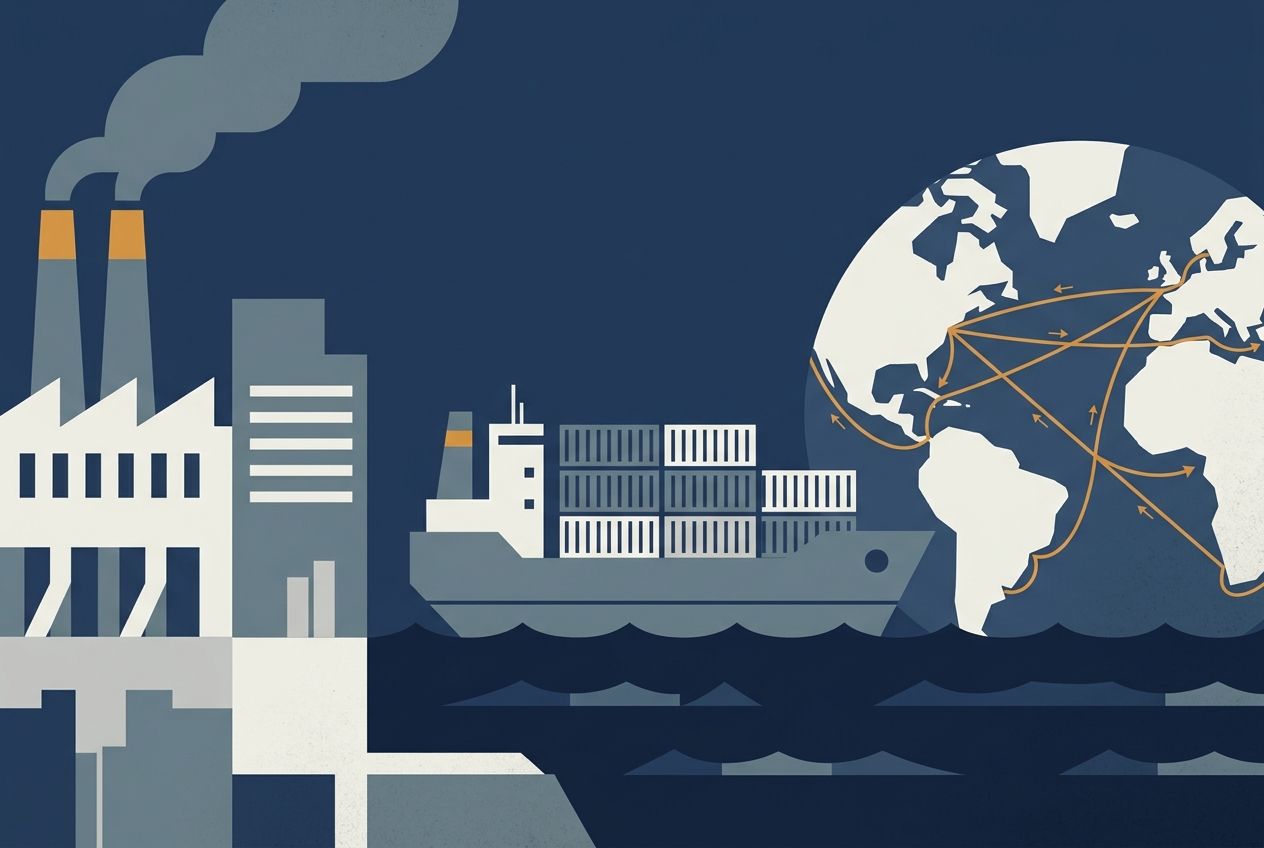
South Korea's industry minister traveled to China's Shandong Province on Friday to press for a bigger share of the local consumer market, closing a joint economic cooperation forum in Yantai with 25 memorandums of understanding between the two sides' companies and institutions.
Kim Jung-kwan, who heads the Ministry of Trade, Industry and Energy, attended the ninth Korea-China (Shandong) Economic and Trade Cooperation Exchange, co-hosted by his ministry and the Shandong provincial government. About 300 government officials and businesspeople from both sides took part, with discussions covering consumer goods, biotechnology and green power generation.
"Korea and Shandong should further expand cooperation in consumer goods and new industries on the foundation of cooperation built up between the two sides," Kim said in his opening address, adding that his ministry would "actively support exchanges between companies on both sides so that they lead to substantive trade and investment results."
Shandong is China's third-largest provincial economy by gross regional product and its second most populous. Trade between Korea and the province reached 38.9 billion dollars last year, and some 8,763 Korean companies — roughly 30 percent of all Korean businesses operating in China — have set up there.
Three agreements were signed between institutions and industry associations: one on certification cooperation for clothing and textiles between the Korea Apparel Testing and Research Institute and the Qingdao quality inspection agency, one on helping bio companies expand overseas between the Korea Bio Association and the Yantai Blue Medicine Valley, and one on startup promotion and exchanges of advanced technology personnel between the Korea Trade-Investment Promotion Agency, or KOTRA, and a China-Korea-Japan innovation center. KOTRA also signed a separate agreement with Korean cosmetics firm Atomy to help small and mid-sized Korean cosmetics makers enter the Chinese market.
The ministry paired the forum with a consumer goods export consultation session, where 28 Korean companies held more than 200 meetings with local distributors and regional buyers. Three export agreements were pursued, including one for Gwangcheon dried laver and one for microbiome health supplements, and a further 18 cooperation agreements between Korean and Chinese companies and institutions were set in motion.
What this article is based on
Every fact in this article can be checked against the primary documents below.
- Government산업통상자원부 산업 보도자료· Ministry of Trade, Industry and Energy· accessed Nov. 7, 2026
- Government업황 — 10월 수출입 동향· korea.kr· accessed Nov. 7, 2026
- Government산둥성이 중국 시장 교두보인 이유· motir.go.kr· accessed Nov. 7, 2026
© New Era Korea Daily. All rights reserved.