Korea splits ship fuel supply business to spur greener marine fuels
A presidential decree takes effect Sept. 29 creating a separate registration category for eco-friendly marine fuel suppliers while letting ordinary cargo ships carry methanol and ammonia temporarily.
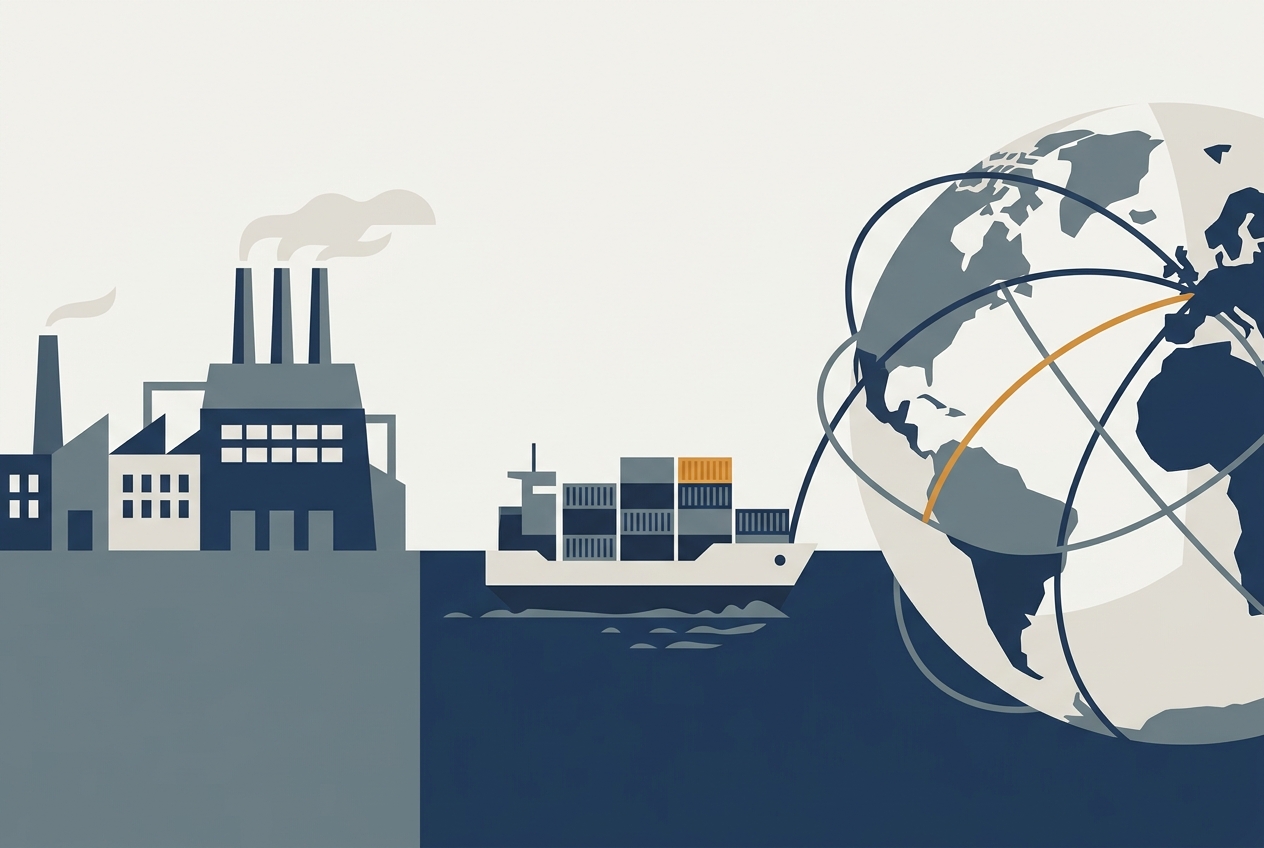
South Korea's trade and industry ministry said that a revised enforcement decree will split the ship fuel supply business into two categories, opening a dedicated registration track for eco-friendly marine fuels as the shipping industry shifts away from conventional oil.
The change divides the sector into "eco-friendly ship fuel supply" and "general ship fuel supply" based on the type of fuel a supplier provides, according to the Ministry of Trade, Industry and Resources. The revision is meant to build a safe supply base for eco-friendly marine fuels as shipping shifts toward greener energy, while improving market entry conditions in the early-stage market.
Companies registered to supply eco-friendly fuels must use vessels built for the properties of those fuels, with structures and safety equipment suited to the cargo. Under the Ship Safety Act, those vessels must receive a classification symbol from a recognized classification society indicating they are used to supply eco-friendly marine fuels.
To bridge the gap while purpose-built ships remain scarce, the decree allows ordinary vessels licensed for marine cargo transport under the Shipping Act to be used as eco-friendly fuel supply ships on a temporary basis. Methanol carriers may be used this way until 2028 and ammonia carriers until 2030, while the allowance for liquefied natural gas has no end date.
"With this revision, we have established registration standards suited to the characteristics of eco-friendly ship fuels, and we have overhauled the system so that existing eco-friendly fuel carriers can be used flexibly, taking into account early market conditions where dedicated supply vessels are in short supply," said Kim Hye-jung, director general of the maritime logistics bureau at the Ministry of Oceans and Fisheries.
Ship fuel is diversifying, Kim said, adding that the government will keep building a stable supply chain to raise the competitiveness of Korean ports.
The revision also updates a related decree under the Petroleum and Alternative Fuel Business Act so that its references match the newly divided categories.
The decree was issued as Presidential Decree No. 36727 and applies from Sept. 29.
What this article is based on
Every fact in this article can be checked against the primary documents below.
- Government국회 법률안 가결· National Assembly· accessed Sept. 29, 2026
- Government정책 배경(친환경 선박 확산)· korea.kr· accessed Sept. 29, 2026
- Government선박연료공급업 세분화· korea.kr· accessed Sept. 29, 2026
© New Era Korea Daily. All rights reserved.
More in Policy
- Korea scraps 3 billion won cap on whistleblower rewards
- Interior ministry adds integrated special city to ferry-route fee rules
- Korea removes 3 billion won cap on whistleblower rewards
- Interior ministry expands medal nomination rights to Gwangju-Jeonnam special city
- Defense ministry eases Goyang flight-safety zone after air base reclassified