Industry ministry reviews supplies amid Middle East war
South Korea's industry ministry has reviewed oil, LNG and naphtha supplies and ordered contingency preparations amid uncertainty over Middle East shipping routes.
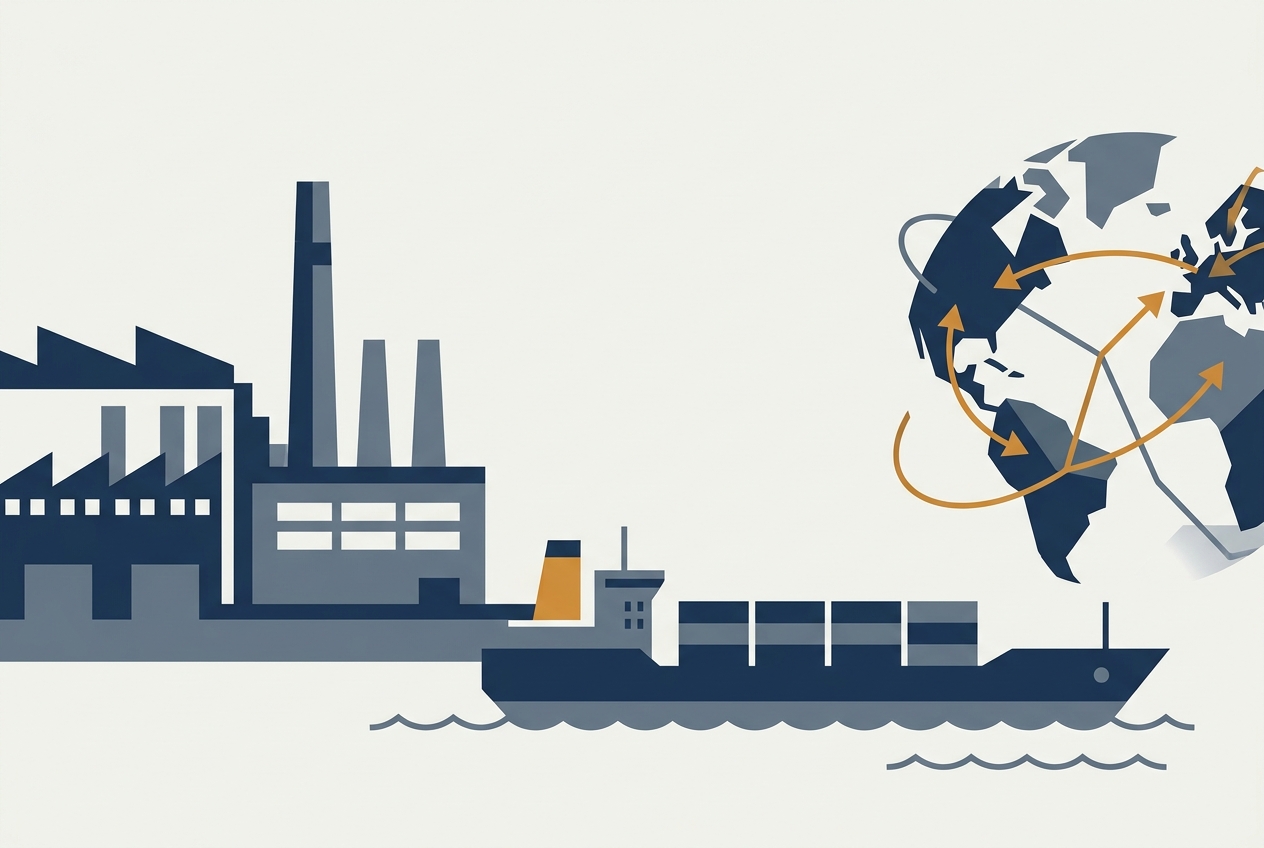
The industry ministry said it had held an emergency review of oil, gas and naphtha supplies amid deepening Middle East tensions and uncertainty over major shipping routes.
At a video meeting from Frankfurt, Industry Minister Kim Jeong-gwan reviewed supply status, inventories and alternative supplies, including a worst-case simultaneous disruption to traffic through the Strait of Hormuz and Bab el-Mandeb.
Oil imports for August and September have been secured above the previous year's average, and October deliveries are being arranged. The ministry judged the short-term effect on oil supplies would be limited, though prolonged uncertainty could lengthen shipping on alternative routes and require additional imports after October. Officials also reviewed crude-import plans and tanker movements, and the ministry said it would monitor whether scheduled cargoes arrived as planned.
"Passage conditions on major sea routes are highly fluid, so monitor and manage supplies in real time, taking into account the worst case of the Bab el-Mandeb Strait's closure following the Strait of Hormuz," Kim Jeong-gwan, the industry minister, said.
The ministry also reviewed imports under Qatar's force majeure declaration. South Korea's gas supply capacity is stable because it sources more than 80 percent of its LNG outside the Middle East and has secured alternative volumes through spot purchases and overseas resource-development volumes. Qatar, Korea's third-largest LNG supplier, reaffirmed in June that Korea would receive priority supplies of LNG and condensate. The country could cope for a considerable period even if Qatari deliveries remained suspended. The ministry said it would continue checking supplies from Southeast Asia, Australia and North America and manage domestic inventories.
Naphtha imports for August have been secured at the previous year's average level, and September volumes are still being obtained. Higher international oil prices could complicate procurement after September, though petrochemical-product inventories are stable and an immediate disruption is unlikely. The ministry said it would maintain supply-stabilisation measures for health care and core industries, seek additional naphtha after September, and strengthen a task force reviewing petrochemical intermediate products and key items.
Kim ordered officials to consult the refining industry on alternative routes through the Suez Canal and Egypt's SUMED Pipeline, and to prepare an immediate resumption of stockpiled-oil swaps.
What this article is based on
Every fact in this article can be checked against the primary documents below.
- Government산업통상자원부 산업 보도자료· Ministry of Trade, Industry and Energy· accessed Aug. 18, 2026
- Government카타르 LNG 공급 맥락· motir.go.kr· accessed Aug. 4, 2026
© New Era Korea Daily. All rights reserved.